
Optimizing your visual content is one of the smartest ways to improve search visibility and drive targeted traffic. For businesses like ours that offer a backlink service, the connection is clear: visuals enhance user experience and create opportunities for better engagement and linking strategies. Strong visuals attract attention, increase click-through rates, and make it easier for users and search engines to interact with your content. If you’re looking to optimize your content for visual search, the process goes beyond simply uploading images. It requires precision—high-quality visuals, technical optimization, and strategies that ensure your content ranks where it matters. With the right approach, you can strengthen your site’s performance while leveraging the power of visual search to support broader SEO goals. Let’s dive into the strategies that make this possible.
How Can Better Images Boost Your Visibility?
Images play a central role in visual search. High-quality visuals stand out in crowded search results and attract more clicks. Search engines favor images that are sharp, clear, and contextually relevant. Research shows that articles with relevant visuals receive 94% more views than text-only content. It’s not just about aesthetics—quality impacts rankings too. Visual search engines prioritize images where the subject is well-defined. This means avoiding cluttered backgrounds and low-resolution files.

For instance, if you’re explaining high quality backlinks, use a clean, focused image of a chart or diagram that ties into the concept. The image should visually reinforce your message while engaging the viewer. Use JPEG or PNG formats for most images. Compress them to minimize loading times without sacrificing quality. Tools like TinyPNG or ImageOptim can help. Additionally, maintain consistent dimensions across your website. These small adjustments ensure your site performs well, even on slower networks or mobile devices.
Why Are File Names and Alt Text Crucial?
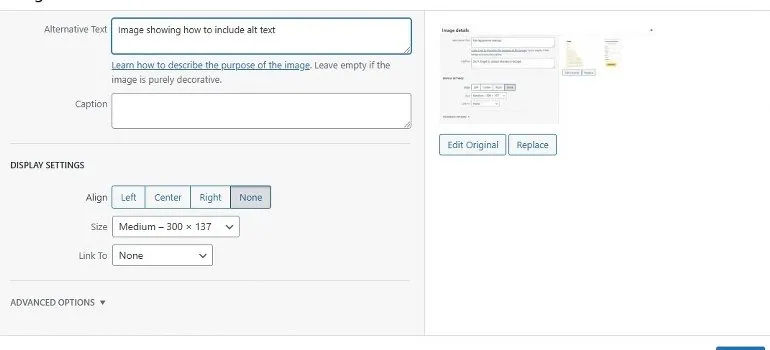
Search engines rely on file names and alt text to understand image content. This makes these two elements critical for visual search optimization. Generic file names like “IMG1234.jpg” don’t provide context. Instead, use descriptive names that include keywords. For example, if the image represents rare and powerful backlinks, name the file “rare-powerful-backlinks-chart.jpg.” Alt text serves a dual purpose. It ensures accessibility for visually impaired users and boosts your SEO efforts. Keep alt text concise yet informative. Include relevant keywords naturally, but avoid stuffing.
For example, instead of “backlinks SEO chart image,” write “Chart showing how rare and powerful backlinks improve SEO rankings.” This helps users and allows search engines to categorize your content more accurately. Don’t forget to keep alt text unique for every image. Duplicate alt text across multiple visuals can dilute their SEO impact. This attention to detail makes your images more likely to appear in relevant visual searches.
What Role Does Structured Data Play?
Structured data is like a translator between your content and search engines. By adding schema markup to your images, you provide detailed metadata that search engines can easily interpret. This makes it easier for them to index your content and display it prominently in search results. For example, Google uses structured data to generate rich results. If you want to highlight reverse backlink engineering, structured data ensures that your visuals appear alongside explanatory text in search results. This makes your content more clickable and trustworthy.
Schema types like ImageObject or VideoObject are commonly used for visual content. Implementing them isn’t as complex as it sounds. Tools like Google’s Structured Data Markup Helper can guide you. Once applied, these tags allow your images to stand out, especially when competing for attention in visual search results. Numbers back this up. Websites that use structured data experience a 30% increase in click-through rates compared to those that don’t. If you’re not leveraging this tool, you’re leaving opportunities on the table.
How Can You Optimize for Mobile Users?
Mobile-first indexing has changed the SEO game. Search engines now rank websites based on their mobile performance. This includes how well your images load and display on smaller screens. Visual search relies heavily on mobile users, with 62% of online shoppers saying they’re more likely to use visual search on their phones. To optimize for mobile, start with responsive images. Use HTML5’s srcset attribute to serve different image sizes based on the user’s device. Compress your images to ensure fast load times. Tools like ShortPixel and ImageMagick can reduce file sizes without compromising quality.
Mobile optimization also requires attention to design. Keep your layout clean and avoid clutter. Ensure users can easily zoom in on images, especially when discussing intricate topics like rare and powerful backlinks. A mobile-friendly design boosts engagement and reduces bounce rates, two critical factors for SEO success. Regularly test your site using tools like PageSpeed Insights or Lighthouse to identify mobile-specific issues. These tools highlight problems such as slow load times, unresponsive layouts, or improperly scaled images. Addressing these issues promptly ensures your site remains competitive in the ever-growing mobile-first search environment.
Why Are Image Sitemaps Essential?
Think of an image sitemap as a GPS for search engines. It helps them find and index your images efficiently. Without a sitemap, many of your visuals might remain hidden, reducing their impact on your SEO strategy. Creating an image sitemap involves listing every image URL on your site. Include additional details like captions, titles, and licenses if applicable. For example, if your content features dogs and cats, ensure every related image is listed with clear descriptions.
Submit your sitemap through Google Search Console. This step increases the chances of your images appearing in search results. Studies show that websites with comprehensive sitemaps see a 20% boost in indexed visuals. This simple addition can significantly enhance your visibility. Don’t overlook updates. Whenever you add new images or remove outdated ones, update your sitemap. Regular maintenance ensures that search engines always have the most accurate picture of your site.
Now You Can Optimize Your Content for Visual Search Success
Visual search isn’t a passing trend—it’s a powerful tool for driving traffic and engagement. Implementing strategies like using high-quality images, descriptive file names, and structured data ensures your content stands out. Mobile optimization and image sitemaps further amplify these efforts. These tactics also enhance link-building initiatives. If you truly want to optimize your content for visual search, focus on precision and consistency. These techniques don’t just improve rankings; they create a seamless experience for users. With attention to detail and regular updates, your visual content can become a key driver of success in the competitive digital landscape.